Businesses are increasingly reliant on effective communication systems that link consumers, workers, and stakeholders in real time in the constantly changing world of digital transformation. The CTI Framework for Developers is an essential basis that allows programmers to create, modify, and deploy applications that seamlessly combine telephony with computer systems. This technology bridges the gap between business applications and communication networks, revolutionizing the way that businesses handle voice calls, emails, chat sessions, and customer relationships. Developers may use CTI frameworks to create integrated CRM systems, dynamic call centers, and integrated communication solutions without having to begin from scratch. Businesses can automate day-to-day activities, optimize workflows, and increase client interaction by using these frameworks. Additionally, CTI offers cutting-edge features like call routing, IVR, and real-time analytics, making it a vital component of contemporary contact centers. CTI frameworks continue to be essential in facilitating more intelligent, rapid, and engaging business applications as the globe shifts towards cloud and AI-based communication platforms.
What is a CTI Framework for Developers?
A software architecture known as a CTI (Computer Telephony Integration) Framework for Developers integrates telecommunication systems with computer-based applications, allowing for the smooth automation and management of communication processes. It serves as a bridge that enables software engineers to incorporate features such as call routing, recording, dialing, and real-time analytics directly into commercial applications. CTI frameworks include APIs, SDKs, and protocols (like SIP, VoIP, and WebRTC) that make it easier to integrate telephony capabilities into web or desktop programs. This means that developers may create systems that are high in communication without having to grasp the complexities of telephony infrastructure. Improved productivity, quicker customer response, and integrated communication management are all ways that companies benefit. In essence, a CTI framework turns conventional software into intelligent communication tools that can manage calls, messages, and customer data in a unified manner. It serves as a foundation for the development of sophisticated CRM systems, enterprise communication tools, and customer service platforms with scalability and adaptability in mind.
How the CTI Framework for Developers works
By using standardized protocols and APIs to link telecommunications networks with computer-based applications, a CTI framework for developers functions. The CTI layer serves as a middleware, capturing call data from the telephony system and sending it to the application interface whenever a call or communication event takes place. With the help of this, communication activities may be synchronized in real-time with company software like CRM, ERP, or helpdesk systems. With the use of APIs, developers can start or answer calls, manage call flow, or immediately show client information on the screen upon receiving a call. The framework often employs SIP or WebRTC technologies to connect with cloud communication platforms, PBX systems, or VoIP servers. It analyzes user inputs, directs calls in accordance with predetermined rules, and logs important information for reports and analysis. In essence, it turns conventional communication systems into smart platforms that automate processes, improve agent productivity, and offer a single perspective of all interactions in a business setting.
Key Features of the CTI Framework for Developers
Integration of Multi-Channel Communication
Developers may integrate all communication methods, including voice calls, SMS, email, live chat, and video conferencing, into a single, centralized system using a CTI framework. This integration maintains consistency in customer interactions across all channels, facilitating easy engagement and better monitoring of contact histories. Businesses can provide a better omnichannel experience, minimize response times, and foster greater inter-departmental cooperation by combining these channels. Developers can also set up communication processes dynamically, allowing automated follow-ups and cross-channel transitions without the need for human intervention. In addition to increasing customer satisfaction, this also boosts operational effectiveness and long-term scalability.
Live Call Monitoring and Control
CTI frameworks give developers real-time control over telephony functions, enabling them to implement sophisticated features like call hold, transfer, mute, record, conference, and barge-in. To guarantee quality assurance and help agents as necessary, supervisors may actively monitor live calls. Call metrics such as length, queue length, and client wait time can be tracked by managers using live dashboards and performance data. Real-time monitoring aids in optimizing resource allocation and spotting communication bottlenecks. By incorporating alert, call tagging, and reporting modules, developers may enhance these capabilities even more to create a comprehensive contact management experience.
Smart Call Routing and IVR
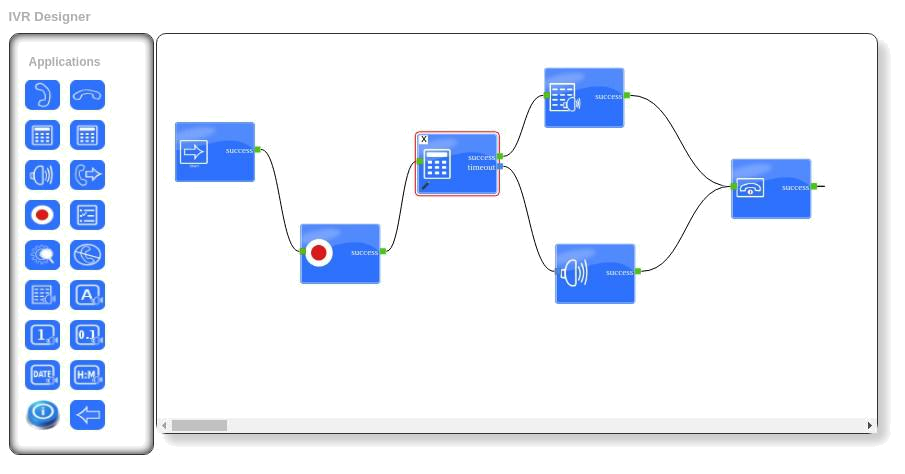
The intelligent IVR (Interactive Voice Response) and smart call routing system are essential elements of CTI frameworks. Developers can create unique IVR menus that lead users through automated choices according to their specific requirements. To make sure that each call reaches the best agent or department, the system employs predetermined logic, such as skill-based routing, time-based delivery, or customer priority. Wait times are reduced, support teams’ workloads are lessened, and service consistency is improved by this automation. Furthermore, by integrating speech recognition and DTMF (dual-tone multi-frequency) inputs, developers may make IVR systems more engaging and simple to use.
Full Support for SDKs and APIs
CTI frameworks provide robust RESTful APIs and SDKs that make it easy for developers to integrate telephony capabilities into their current business applications. Because these tools support a variety of programming languages and platforms, they are flexible enough to be integrated with CRM, ERP, or HRM systems. With third-party services, developers can quickly create unique communication workflows, automate messaging or dialing functions, and expand system functionality. The development process is made simpler, and project implementation schedules are sped up by the availability of comprehensive documentation and ready-to-use libraries.
Database and CRM Integration
Every customer interaction is supported by real-time data access thanks to the integration of CRM and databases with CTI frameworks. The system automatically retrieves pertinent data like caller ID, transaction history, or past tickets when a call comes in. With this capability, agents can better meet the demands of clients while also customizing their interactions. Maintaining a complete log of every interaction, developers may create these integrations to automatically update records after each call. The integration of CRM data with telephony data enhances customer retention rates, boosts efficiency, and increases the accuracy of service.
Reports, Analytics, and Dashboard Insights
Built-in analytics modules in CTI frameworks give in-depth insight into the communication patterns within an organization. Developers can create interactive dashboards that show metrics like call frequency, average handling time, agent productivity, and customer happiness ratings. Real-time insights enable decision-makers to allocate resources effectively and pinpoint areas for change. Historical reports can also be created to track long-term performance. Developers may turn communication data into practical insights by tailoring dashboards to match particular company KPIs using adaptable analytics tools.
Security, Encryption, and Compliance
CTI frameworks place a high priority on communication security in today’s data-sensitive world by using end-to-end encryption and access control methods. To avoid illegal access, developers may integrate secure authentication systems such as OAuth or multi-factor verification. Meeting international standards like GDPR, HIPAA, or PCI DSS helps keep sensitive data safe. Furthermore, session monitoring, secure communication logging, and encrypted data storage provide more layers of security. Because of its robust security foundation, users trust the framework, making it appropriate for sectors that manage sensitive information such as healthcare, banking, and government.
Modular Architecture and Scalability
Its modular design and scalability are two of the most notable benefits of a CTI framework. Developers can introduce new APIs, functions, or modules without interfering with ongoing operations, thereby extending the system’s capabilities in response to changing business needs. CTI frameworks can easily manage expansion, regardless of whether it’s a small contact center or an enterprise-grade communications platform. Modular architecture allows for flexible deployment models, such as cloud, on-premises, or hybrid, which ensures long-term scalability. As a result, the framework is future-proof since it enables developers to continually innovate and keep up with new communication technologies.
Integration with Third-Party Corporate Software
CTI frameworks are made to be compatible with widely used third-party technologies such as Salesforce, Zoho CRM, HubSpot, and Microsoft Dynamics. By enabling developers to integrate communication capabilities straight into these platforms, every phone call or message automatically updates client records. This results in simpler reporting, improved workflow automation, and the elimination of data silos. Due to centralized access to communication and customer data, businesses are able to make decisions more quickly and provide more consistent customer support experiences.
Predictive, AI, and Automated Capabilities
The modern CTI framework integrates artificial intelligence to automate repetitive communication activities. Features like predictive dialing, voice recognition, chatbots, and sentiment analysis empower developers to build smarter and more adaptive systems. AI can automatically analyze caller emotions, prioritize urgent cases, and even suggest real-time responses to agents during calls. Automation minimizes manual effort, enhances accuracy, and guarantees that customers receive faster, more individualized service. With AI integration, CTI frameworks transform communication from a reactive process into a proactive and data-driven strategy for business success.
Challenges in Implementing CTI Frameworks for Developers
Legacy System Compatibility: Older commercial settings may find it challenging to integrate a CTI framework due to obsolete software or hardware components. Developers frequently run into inconsistent APIs, unsupported protocols, and incompatible databases, all of which impede implementation and necessitate further modification in order to attain complete integration.
Intricate Setup and Upkeep: A thorough knowledge of both software and telephone systems is frequently required by CTI frameworks. Real-time communication synchronization, server management, and complicated configurations may be necessary for developers to manage. Proper setup and maintenance can be time-consuming and mistakes if done without the necessary knowledge.
Restrictions on bandwidth and the network: A strong internet connection and enough bandwidth are necessary for high-quality audio and video communication. Inadequate infrastructure can cause dropped calls, latency problems, or low audio quality, particularly in remote areas or large-scale deployments.
Risks to Data Security and Protection: CTI systems handle sensitive communication data and are hence at risk of security attacks like eavesdropping, data breaches, or unauthorized access. To ensure system integrity, developers must overcome problems related to encryption, authentication, and compliance.
Resource management and integration cost: Investing in infrastructure, licensing, and developer resources is necessary in order to create or implement a CTI framework. These upfront expenses may be a substantial obstacle to adoption and scalability for startups or small businesses.
A scarcity of talented developers: Some developers lack expertise in telephony or communication technologies. A shortage of developers with experience in CTI can often slow down project progress or stifle innovation in feature development.
Overcoming Challenges of the CTI Framework for Developers
Utilizing Open-Source Frameworks: Open-source CTI frameworks give developers the flexibility to modify, enhance, and improve systems without incurring significant licensing expenses. This strategy encourages community-driven support and updates while allowing for flexibility in tailoring features to particular company requirements.
Investing in education and skilled developers: Hiring developers with telephony and integration expertise and offering specialized training will guarantee a more seamless deployment. Experienced teams are able to manage complicated setups, improve system efficiency, and create cutting-edge communication workflows.
Improving Network Infrastructure: Using dependable network hardware, implementing Quality of Service (QoS), and improving bandwidth all contribute to high-quality voice and video communication. Latency, missed calls, and service disruptions are all reduced by network optimization in cloud and on-premises implementations.
Establishing Strong Security Procedures: Developers can safeguard sensitive communication data with secure API gateways, multi-factor authentication, and end-to-end encryption. Data protection is also ensured by adherence to the PCI DSS, HIPAA, and GDPR.
A Flexible and Extensible Design: Modular CTI frameworks facilitate incremental updates, simple integration of new functionality, and scalability to accommodate expanding business demands. Developers may add or remove modules without impacting the system’s overall performance.
Pros and Cons of the CTI Framework for Developers:
Pros
Increased Productivity: Automating communication workflows minimizes manual work and improves agent performance.
Seamless Integration: Integrates effortlessly with ERPs, CRMs, and other commercial programs to integrate client communications.
Adaptability and Scalability: Modular design facilitates scaling from small groups to enterprise-level installations.
Enhanced Customer Experience: Utilizes real-time analytics, IVR, and CRM data to deliver tailored interactions.
Advanced Features: Predictive dialing, multi-channel communication, automation, and artificial intelligence are all supported.
Cons
Intricate implementation: demands experienced developers with knowledge of integration and telephony protocols.
High Start-Up Costs: The expense of infrastructure, licenses, and development resources can be significant.
Compatibility Issues: It might be hard to integrate with third-party platforms or old systems.
Maintenance requirements: Ongoing updates and monitoring are necessary to guarantee security and performance.
Learning Curve: It takes time for teams to adjust to sophisticated features and improve processes.